
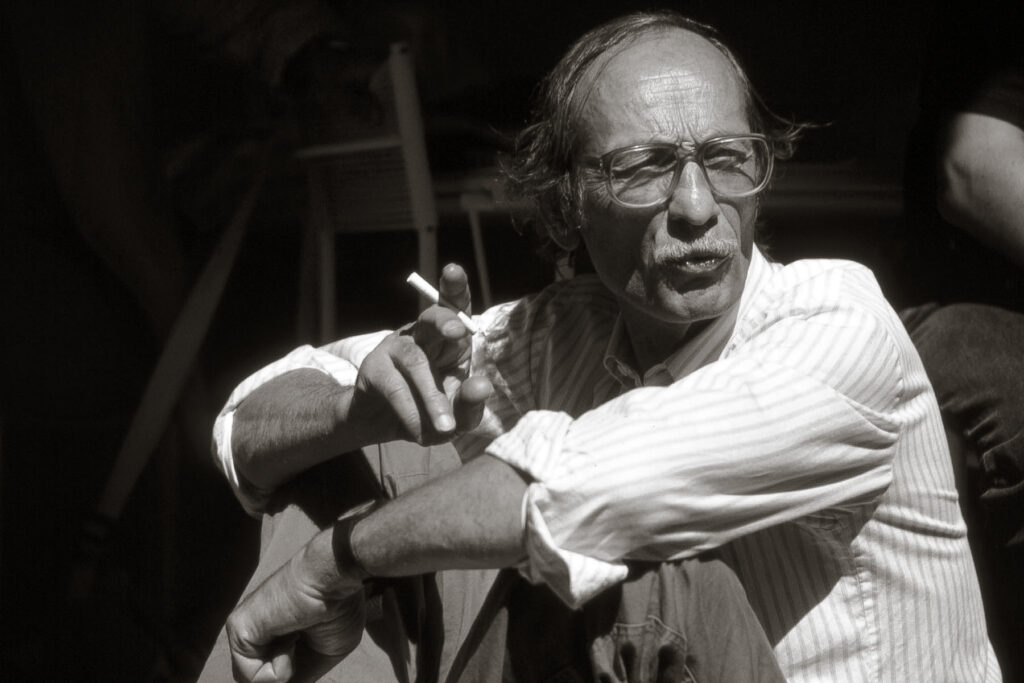
Luigi Snozzi (1932–2020) was one of the defining architects of the Ticino School. From the 1960s, this generation renewed modernism in Ticino. It also included Mario Botta, Livio Vacchini, Aurelio Galfetti and Flora Ruchat-Roncati.
They built in exposed concrete, with clear geometry and a close eye on topography. Snozzi’s stance was especially rigorous. A house should not decorate, but clarify.
Geometry and Context
Snozzi was born in Mendrisio, studied at ETH Zürich and opened his office in Locarno in 1958. His buildings do without decoration and without false adaptation. The affinity with the Bauhaus is clear.
Even so, for him every house stood in a specific place. On a slope, in a village, beside a path, facing a view. Casa Walser was conceived in the same way.
There is nothing new to invent, everything must be reinvented.
Luigi Snozzi
Snozzi did not look for fashionable effects. He took familiar elements: wall, opening, path, courtyard, roof, stair, light. Then he put them together anew.
Monte Carasso
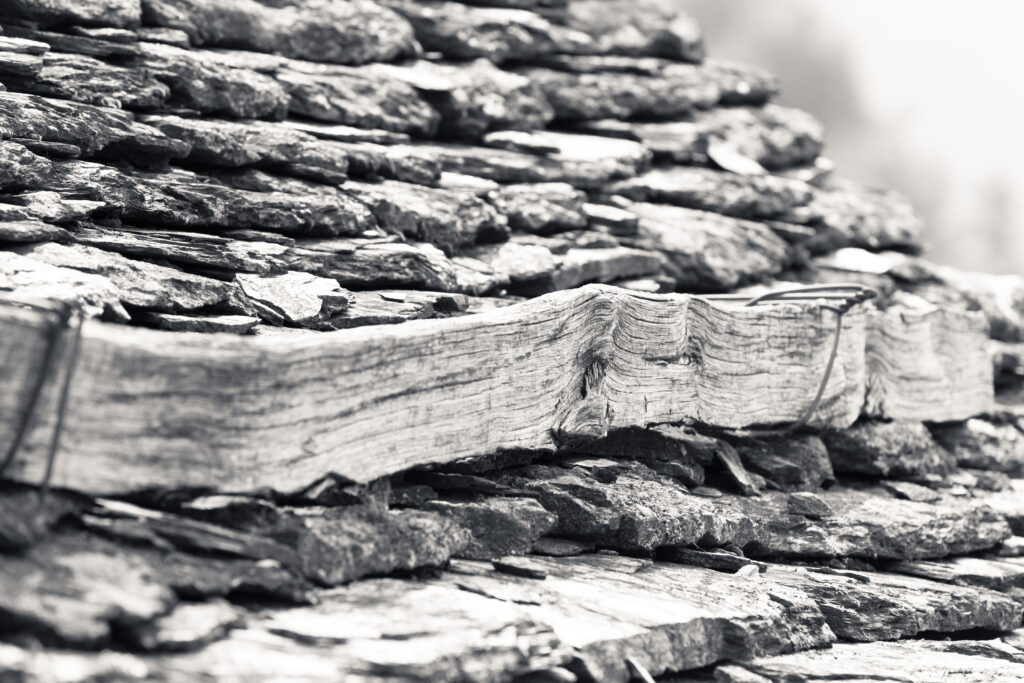
Snozzi became known for his work in Monte Carasso near Bellinzona. From 1978, he guided the development of the village for decades. The focus was on rules for the whole village, less on individual buildings.
In 1993, this earned him Harvard University’s Prince of Wales Prize in Urban Design. The municipality later made him an honorary citizen.
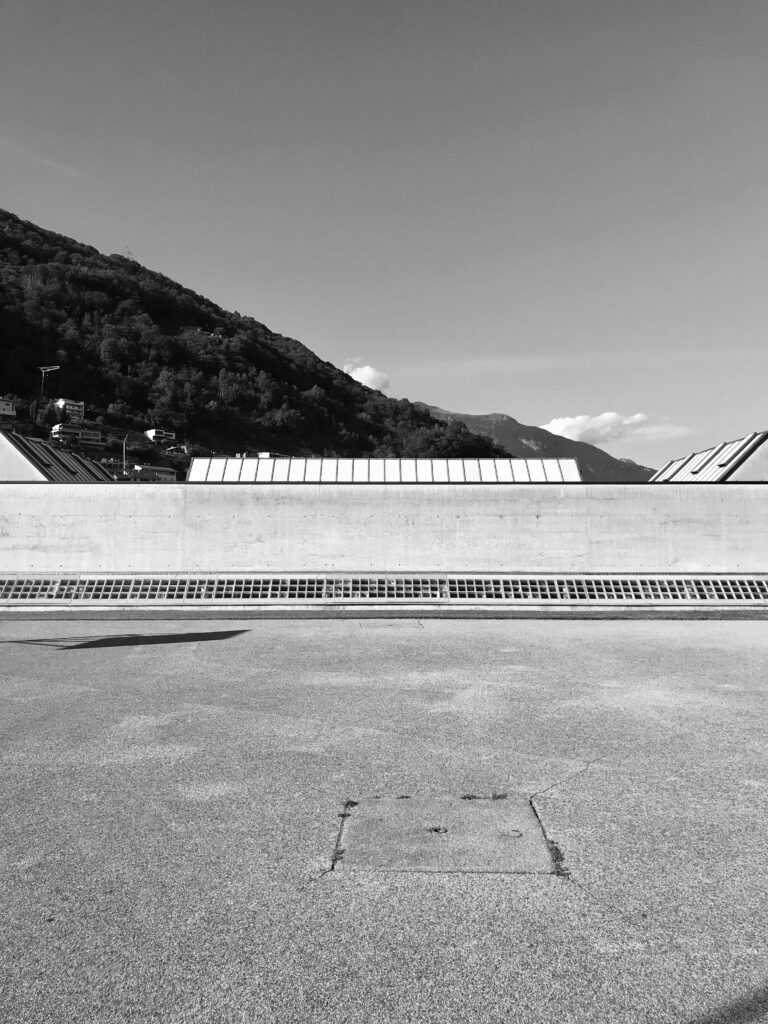
From 1985 to 1997, he taught at EPFL Lausanne. In 2008, ETH Zürich awarded him an honorary doctorate. He was called the social conscience of Swiss architecture.
Casa Walser
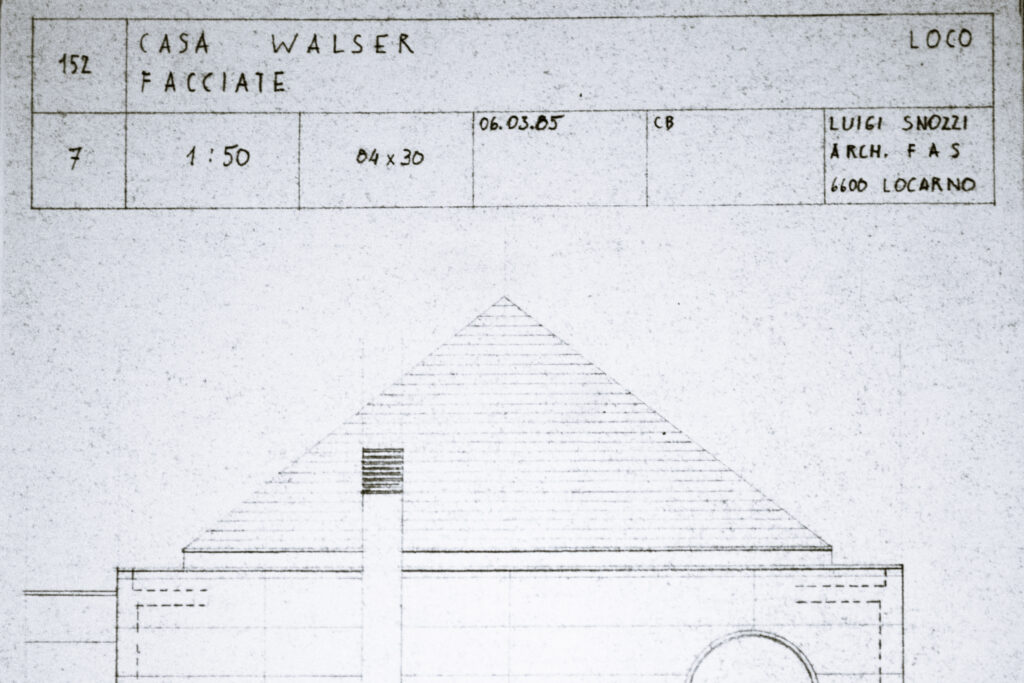
In 1985, my parents commissioned Snozzi to design the house. They had known the Valle Onsernone for years and wanted a house that was simple and built to last.
Many conversations were about practical questions. How you arrive. How you move through the house.
Where you sit. How the light falls. How the kitchen fireplace works.
Architecture is emptiness, it is up to you to define it.
Luigi Snozzi
In 1989, Casa Walser appeared in “Abitare”, in 1990 in “Häuser”.
And this architecture still works today.