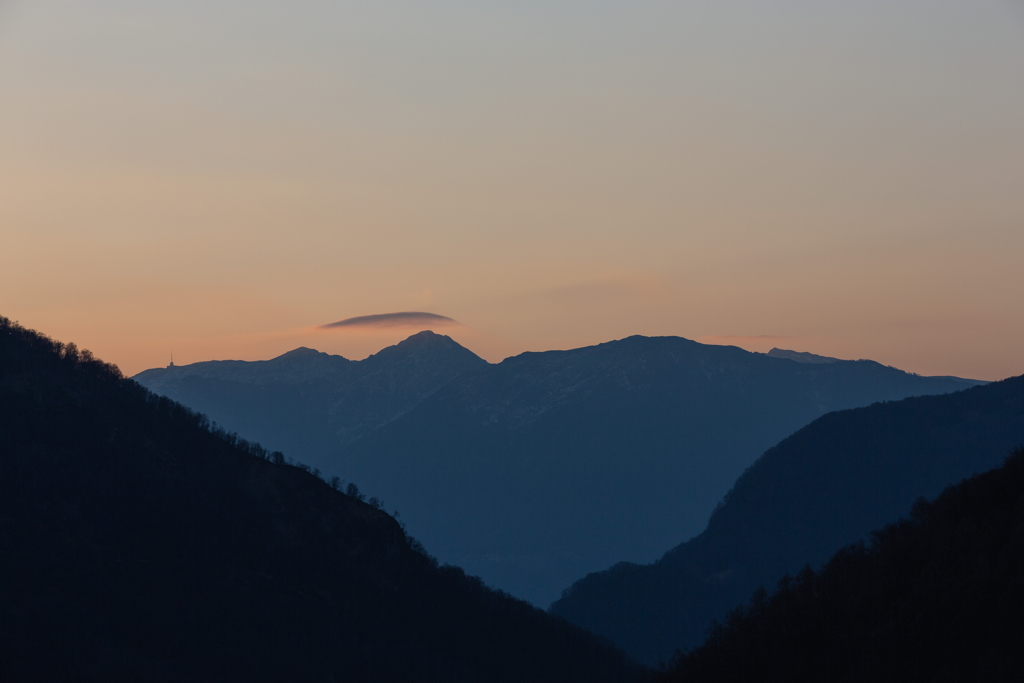
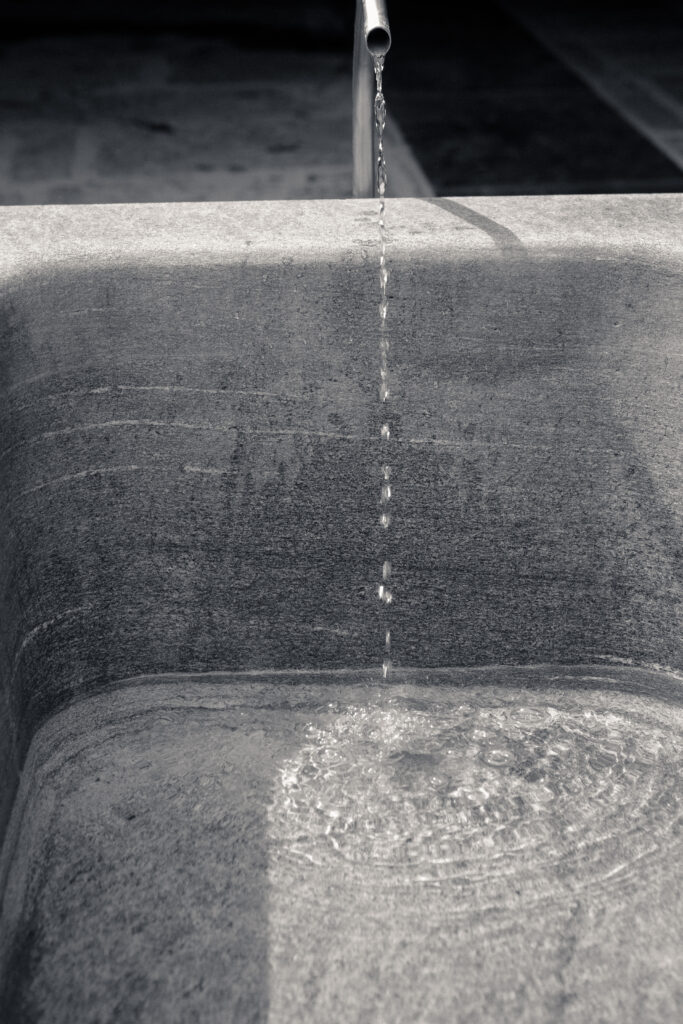
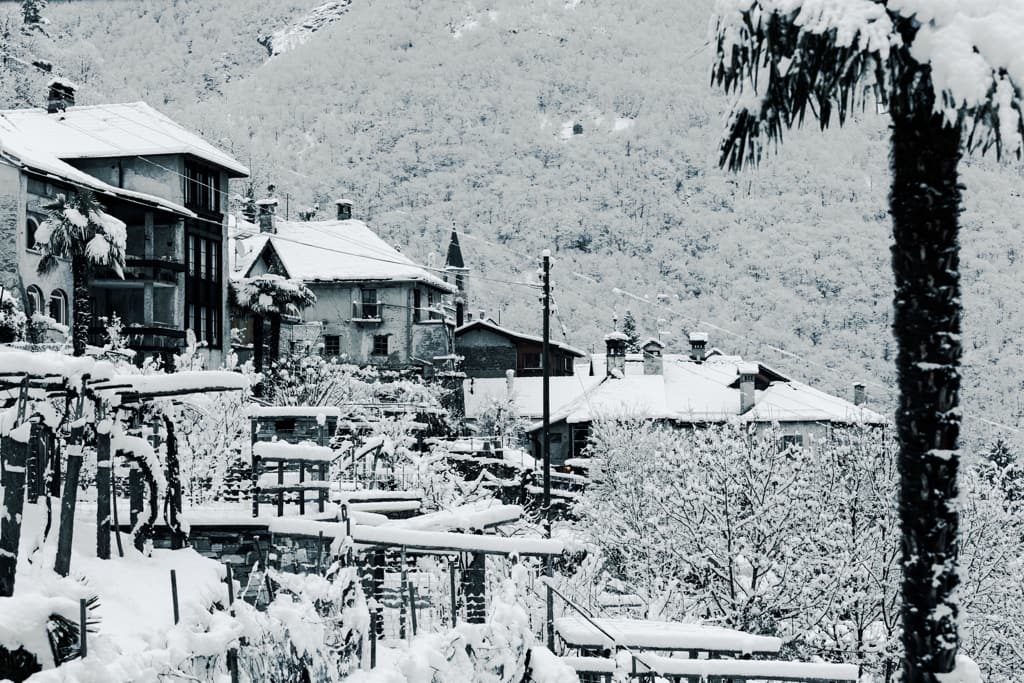
The Valle Onsernone is one of the quietest valleys in Ticino. Steep slopes, chestnut forests, terraced vineyards. Far below flows the Isorno. Streams tumble over granite pools into the valley. In summer, you can swim in them.
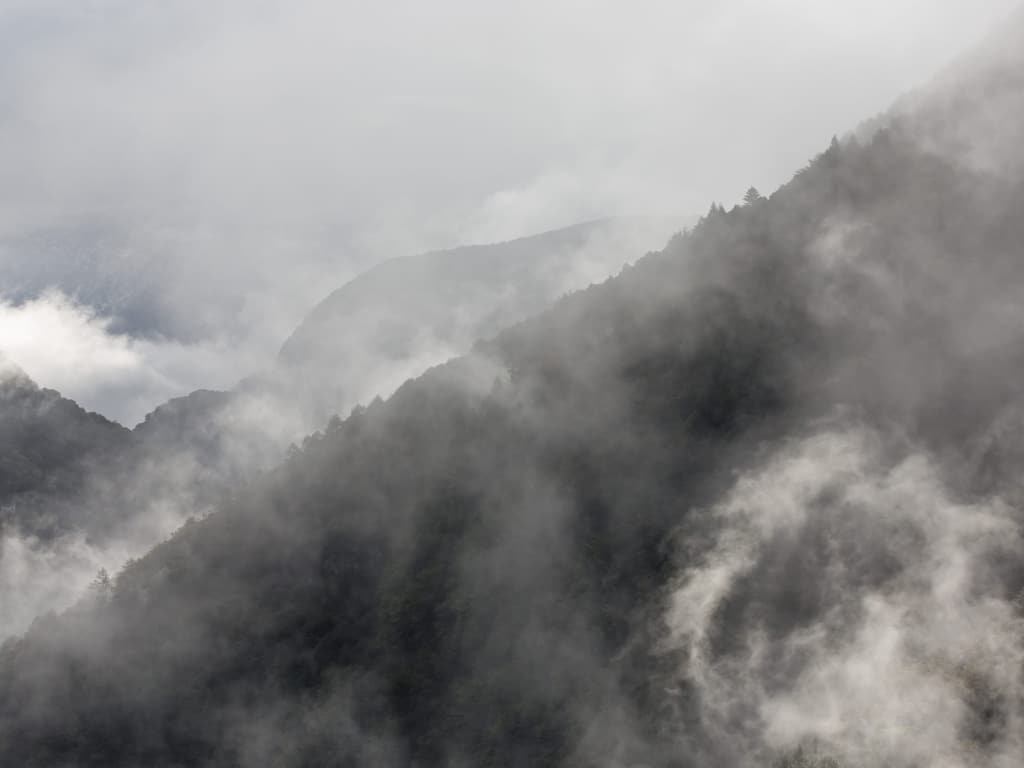
Between Poverty and Beauty
The terraces tell of a hard life. For centuries, poverty drove people away, to France, to other parts of Europe, to America. In the 18th and 19th centuries, they plaited straw and sold hats. The Museo Onsernonese in Loco tells this story.
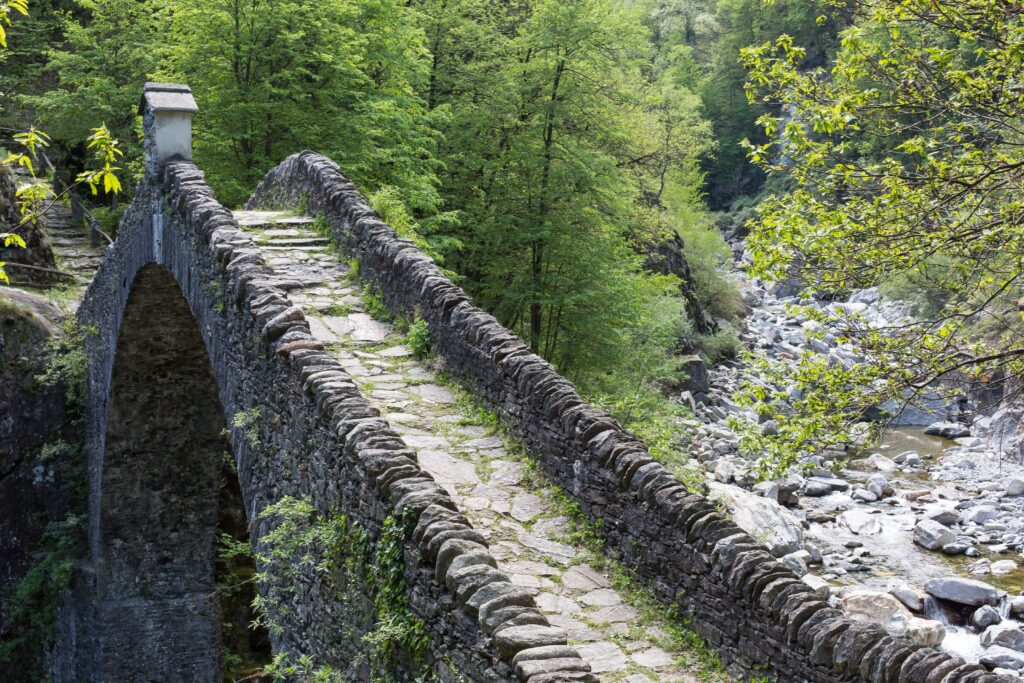
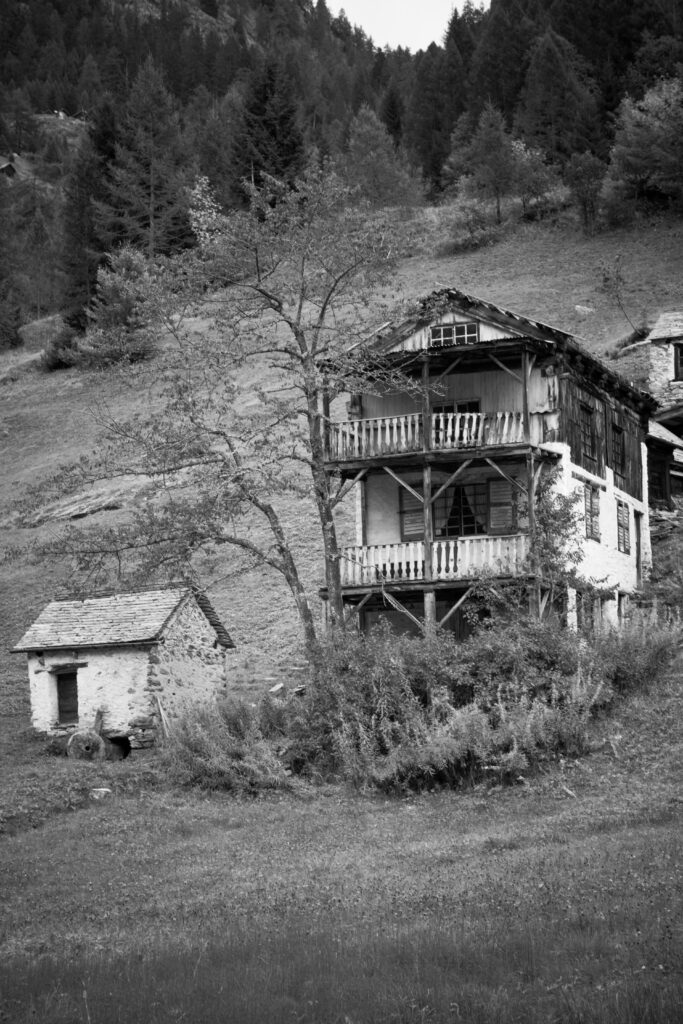
Walk through the valley today and you see both. The landscape and the traces of work: stone walls, old paths, small villages, abandoned terraces.
At the Head of the Valley
Half an hour on foot beyond Spruga lie the Bagni di Craveggia, already on Italian soil. The spa hotel closed in 1921. Towards the end of the Second World War, Italian partisans fled along this path to Switzerland. Just before the border, the fascists caught up with them and shot some of them. The others made it across. Today, Stolpersteine commemorate them.
Writers
The seclusion drew writers. Berzona, the village next to Loco, became the village of poets. Golo Mann, Alfred Andersch and Max Frisch all had houses here.
Chic Ascona is only half an hour away. It feels further. The Onsernone is quieter, rougher, less comfortable.
Today
The narrow road through the valley is paved now. Little else has changed.
You will not find bustle here. Instead, silence among chestnut trees and old villages.